

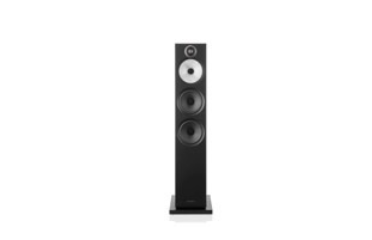
A home audio system should reproduce music with enough detail, depth, and energy to make every listening session enjoyable. While compact speakers remain popular, larger designs often provide advantages that become noticeable during demanding recordings and cinematic soundtracks. High-quality tower speakers combine multiple drivers, substantial cabinet volume, and carefully engineered crossovers to deliver an expansive listening experience. Understanding how these characteristics influence sound reproduction helps us determine whether a floorstanding design offers meaningful benefits over smaller bookshelf alternatives in different residential environments.
Larger Cabinets Support Deeper Bass
Speaker cabinet dimensions influence how effectively a loudspeaker reproduces lower frequencies. Tower models generally provide greater internal volume, allowing designers to incorporate larger or additional bass drivers without sacrificing the enclosure space required for controlled performance. This arrangement can produce deeper bass extension and greater output than many compact alternatives. However, cabinet size alone does not guarantee superior results. Driver engineering, enclosure tuning, and room acoustics remain important. When these elements work together, larger speakers can reproduce demanding musical passages with greater authority and reduced dependence on external subwoofers.
Multiple Drivers Improve Frequency Distribution
A well-designed loudspeaker assigns different frequency ranges to drivers optimized for particular tasks. Many tower models use dedicated woofers, midrange drivers, and tweeters, with crossover networks coordinating their operation. This arrangement can reduce the workload placed on individual components and improve performance at higher listening levels. By comparison, compact two-way bookshelf designs often require one driver to reproduce both bass and midrange frequencies. Neither configuration automatically guarantees better sound, but sophisticated multi-driver towers can offer additional flexibility when reproducing complex recordings with demanding frequency content.
Greater Output Preserves Musical Dynamics
Dynamic range describes the difference between quiet and loud sounds within a recording. Orchestral performances, live concerts, and action films frequently contain sudden changes that challenge speaker systems. Larger loudspeakers with suitable drivers and sufficient amplifier power may reproduce these transitions with less compression or distortion at elevated volumes. This capability becomes particularly valuable in spacious listening environments. Premium floor-standing speakers are therefore worth considering when we want impactful playback without losing the subtle details that make music and film soundtracks feel realistic.
Soundstage Depends On Speaker Engineering
A convincing soundstage allows listeners to perceive instruments and voices occupying distinct positions between and around the speakers. Tower designs can create an impressive sense of scale, particularly when their drivers maintain controlled dispersion and accurate timing relationships. Nevertheless, physical height does not automatically produce wider imaging. Speaker positioning, listening distance, room reflections, and crossover design contribute substantially to spatial accuracy. When properly installed, capable tower models can present large musical arrangements with convincing separation, helping listeners distinguish individual performers without making the overall presentation feel disconnected or artificial.
Room Dimensions Influence Speaker Performance
Choosing speakers requires more than comparing technical specifications. A large living room may benefit from loudspeakers capable of maintaining balanced output across greater listening distances. Smaller rooms, however, can introduce bass reinforcement and reflections that complicate the performance of powerful systems. We should consider seating positions, furniture placement, ceiling height, and available distance from surrounding walls before selecting equipment. Models with adjustable placement options or compatible room correction systems can provide additional flexibility. Matching the speaker to the environment usually produces better results than selecting by size alone.
Amplifier Matching Protects Audio Quality
Loudspeaker performance depends heavily on the electronics driving the system. Impedance, sensitivity, listening distance, and desired playback levels all influence amplifier requirements. Some premium tower models present demanding electrical loads, making stable amplification particularly important. Insufficient power can cause audible distortion when an amplifier reaches its operating limits, while excessive volume can damage speaker components. We should examine manufacturer recommendations rather than assuming that larger speakers always require higher wattage. Proper amplifier matching supports controlled bass, clear vocals, and consistent performance during demanding musical passages.
Long-Term Value Extends Beyond Size
A speaker purchase should account for listening habits, system flexibility, and future upgrades. Tower models may reduce the immediate need for a separate subwoofer during stereo music playback, although dedicated subwoofers remain valuable for strong cinematic effects. Their larger cabinets also require more floor space and thoughtful integration with existing furniture. We can evaluate long-term value by comparing construction quality, acoustic performance, warranty coverage, and compatibility with other components. Careful auditioning remains especially useful because different speaker designs can produce noticeably different presentations despite similar specifications.
Conclusion
Tower designs can offer meaningful advantages in bass extension, output capability, and dynamic performance, but their benefits depend on thoughtful system planning. Room acoustics, amplification, speaker placement, and personal listening preferences ultimately determine the results. For homeowners exploring premium audio equipment, epicsystems.tech provides access to established loudspeaker brands and home entertainment solutions. Reviewing suitable models and arranging a listening demonstration can help clarify which design best complements the room, supports future upgrades, and delivers an enjoyable listening experience for years to come.
Frequently Asked Questions
Q1. Do tower speakers always need a subwoofer?
Not always. Many towers reproduce substantial bass on their own, although a subwoofer can extend very low frequencies for cinematic effects.
Q2. Are tower speakers suitable for smaller rooms?
Yes, provided their placement and bass output suit the room. Large cabinets alone do not make a speaker unsuitable.
Q3. How far should towers sit from a wall?
Follow the manufacturer’s guidance and adjust for room response. Rear ports and boundary reinforcement can affect the ideal clearance.
Q4. Can a stereo amplifier power tower speakers?
Yes, when its impedance compatibility and available power match the loudspeakers and desired listening levels.
Q5. Are more speaker drivers always better?
No. Crossover design, driver quality, cabinet construction and integration matter more than driver count by itself.
