
AI-Powered Product Page Builder: Smarter Checkout Experiences with Artificial Intelligence

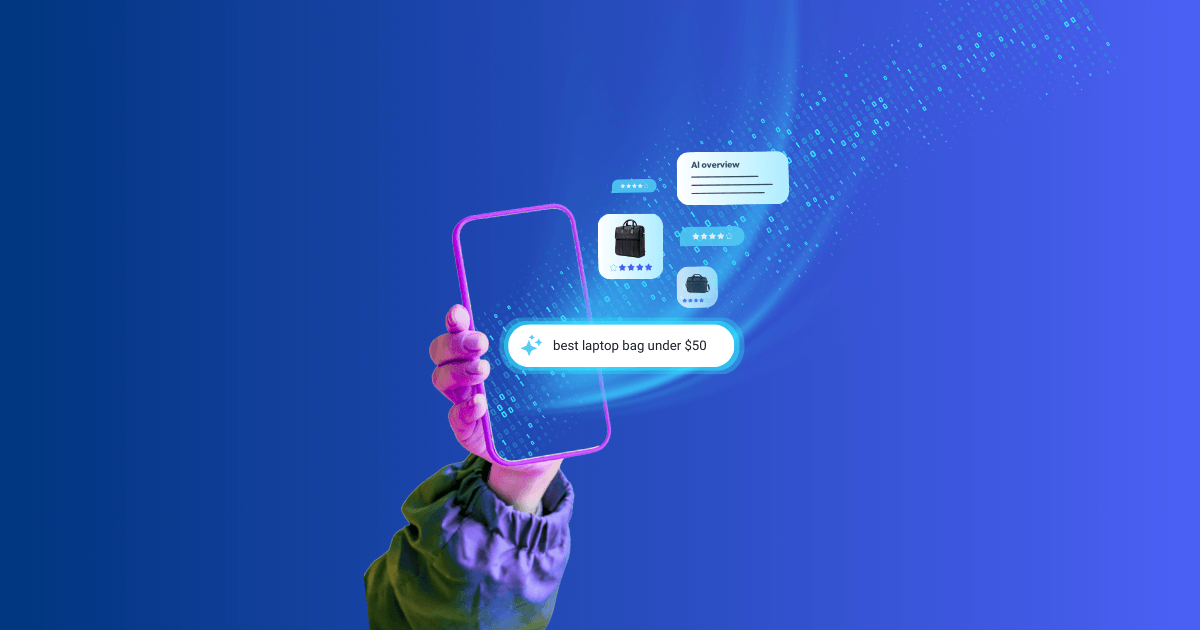
In today’s competitive eCommerce landscape, businesses need more than an attractive website to convert visitors into paying customers. Every element of the customer journey matters, especially the product page and checkout experience. Artificial intelligence is reshaping how online stores optimize these critical touchpoints, making it easier to increase conversions while improving customer satisfaction.
An AI-powered product page builder enables businesses to create engaging, data-driven product pages without relying solely on manual design decisions. By analyzing customer behavior, purchasing patterns, and user interactions, AI helps brands develop pages that encourage visitors to take action.
What Is an AI-Powered Product Page Builder?
An AI-powered product page builder is a software solution that uses artificial intelligence to design, optimize, and personalize product pages. Instead of creating every layout manually, businesses can leverage AI to recommend the best content structure, product descriptions, images, calls-to-action, and page layouts based on real user data.
Modern AI systems continuously learn from customer interactions. They identify which page elements perform well and automatically suggest improvements that can increase engagement and sales.
Key capabilities often include:
- Automated page generation
- AI-generated product descriptions
- Smart image placement
- Dynamic content recommendations
- Personalized customer experiences
- Continuous conversion optimization
Rather than replacing human creativity, AI enhances it by providing valuable insights that support better decision-making.
Why AI Matters for Product Pages
Consumers make purchasing decisions within seconds. If a product page appears cluttered, confusing, or unconvincing, visitors may leave before completing a purchase.
Using an ai product page solution allows businesses to remove much of the guesswork from page design. AI evaluates visitor behavior, including:
- Scroll depth
- Click patterns
- Time spent viewing products
- Device preferences
- Purchase history
- Cart abandonment trends
This information helps businesses build pages that resonate with their target audience while reducing friction throughout the buying journey.
Instead of relying on assumptions, merchants can make decisions backed by real customer data.
Creating Better Checkout Experiences
The checkout process often determines whether a customer completes a purchase or abandons their cart. Small improvements in usability can significantly impact conversion rates.
Today’s ai-powered tools for checkout page monetization help businesses optimize this final stage by introducing intelligent features such as:
- Personalized product recommendations
- Dynamic upselling opportunities
- Relevant cross-selling suggestions
- Customized discount offers
- Trust badges based on customer preferences
- Optimized payment layouts
These AI-driven enhancements improve both the customer experience and average order value without overwhelming shoppers.
The goal is not to make checkout longer but to make every interaction more meaningful.
Personalization at Scale
One of AI’s greatest strengths is its ability to personalize experiences for thousands—or even millions—of visitors simultaneously.
Rather than presenting identical product pages to every shopper, AI adjusts content according to:
- Geographic location
- Shopping history
- Browsing behavior
- Preferred devices
- Seasonal interests
- Returning customer status
This personalized page product ai approach ensures customers see products, promotions, and messaging that are more relevant to their individual needs.
As personalization improves, customers often feel more confident in their purchasing decisions, leading to stronger engagement and increased loyalty.
Reducing Manual Work for Merchants
Creating product pages manually requires significant time and effort. Store owners often spend hours writing descriptions, selecting layouts, testing headlines, and adjusting design elements.
AI dramatically reduces this workload by automating repetitive tasks.
For example, AI can:
- Generate optimized product descriptions
- Suggest SEO-friendly headings
- Recommend effective product images
- Create persuasive call-to-action buttons
- Organize product specifications
- Identify missing information
Instead of starting from scratch, teams can focus on refining AI-generated suggestions and ensuring they align with their brand voice.
This allows businesses to launch products faster while maintaining consistency across large catalogs.
How to Use AI to Redesign an Existing Checkout Flow?
Many businesses already have functional checkout pages but wonder how to use AI to redesign an existing checkout flow?
The process usually begins with collecting behavioral data from current customers. AI analyzes where users hesitate, abandon carts, or encounter friction during checkout.
Common optimization steps include:
Analyze Customer Behavior
AI identifies pain points by reviewing heatmaps, click paths, and abandonment statistics.
Simplify Navigation
Complicated checkout processes often reduce conversions. AI recommends layouts with fewer distractions and clearer progression.
Personalize Offers
Returning customers may receive loyalty discounts, while new visitors see introductory promotions based on predictive modeling.
Optimize Payment Methods
AI can prioritize payment options according to customer preferences and regional purchasing behavior.
Improve Mobile Experiences
Since many shoppers purchase on smartphones, AI ensures checkout pages remain fast, responsive, and easy to navigate on smaller screens.
Continuously Test Improvements
Instead of making one-time changes, AI continuously compares different page variations through automated experimentation, allowing businesses to identify the highest-performing designs over time.
This ongoing optimization helps checkout experiences evolve alongside changing customer expectations.
AI and Conversion Optimization
Conversion optimization has traditionally relied on manual A/B testing. While effective, it can be time-consuming.
Artificial intelligence accelerates this process by automatically evaluating multiple variables simultaneously, including:
- Headlines
- Product images
- Button colors
- Pricing displays
- Promotional banners
- Customer testimonials
Rather than waiting weeks for statistically significant results, AI rapidly identifies high-performing combinations that improve user engagement.
Businesses can therefore respond more quickly to market trends and customer behavior.
Building Future-Ready eCommerce Stores
As AI technology continues to evolve, product pages will become increasingly adaptive.
Future capabilities may include:
- Voice-assisted shopping
- Predictive purchasing recommendations
- Real-time inventory personalization
- Automated multilingual product content
- AI-generated promotional campaigns
- Intelligent customer support integration
Businesses adopting AI today position themselves to benefit from these future innovations while improving current operational efficiency.
Solutions such as Checkify’s AI Page Builder demonstrate how artificial intelligence can simplify page creation while helping merchants create more engaging shopping experiences.
Conclusion
Artificial intelligence is transforming the way businesses design product pages and optimize checkout experiences. An AI-powered product page builder empowers merchants to create data-driven pages, automate repetitive tasks, personalize customer journeys, and continuously improve conversion performance.
Whether you’re exploring an ai product page strategy, implementing ai-powered tools for checkout page monetization, experimenting with page product ai solutions, or learning how to use AI to redesign an existing checkout flow?, AI provides practical tools for building smarter and more effective online stores.
As customer expectations continue to rise, businesses that embrace AI-powered optimization will be better equipped to deliver seamless shopping experiences, increase customer satisfaction, and drive sustainable growth.

